What does a claims examiner check, and where does the file fall short?
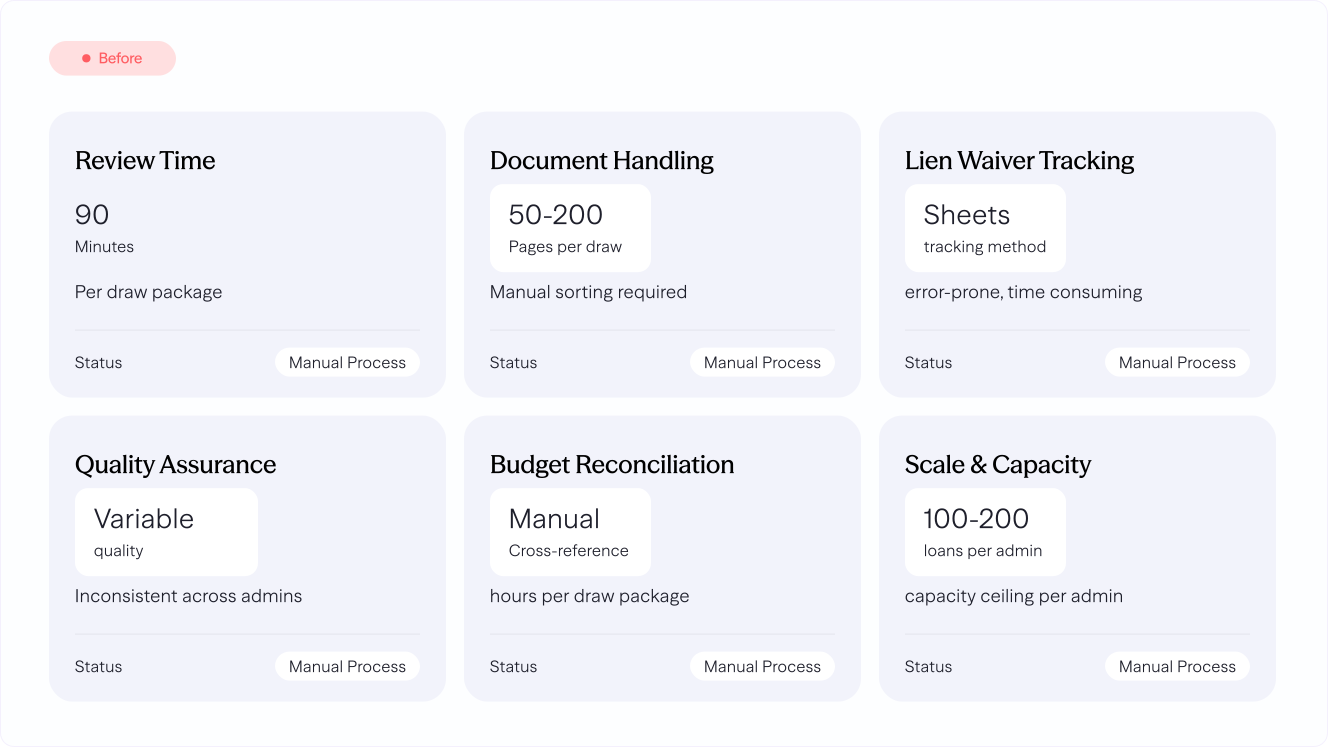
A claim moves through intake, coverage check, investigation, evaluation and determination. At each step the examiner reads documents: the notice, the policy and endorsements, adjuster and inspection reports, invoices and estimates, medical records, photos. The decision depends on matching those facts to the policy language and the carrier's own guidelines.
The weak point is the file. Regulators expect it to show the whole story. The NAIC's model claims regulation says "Detailed documentation shall be contained in each claim file in order to permit reconstruction of the insurer's activities relative to each claim." New York's Regulation 64 requires files kept so that "all events relating to a claim can be reconstructed by the Department of Financial Services examiners."
When work is done in email, adjuster notes and spreadsheets, that reconstruction is expensive, and a denial letter that cannot point to the policy clause and the document behind each reason invites an appeal.
How do AI agents process a claim with a full audit trail?
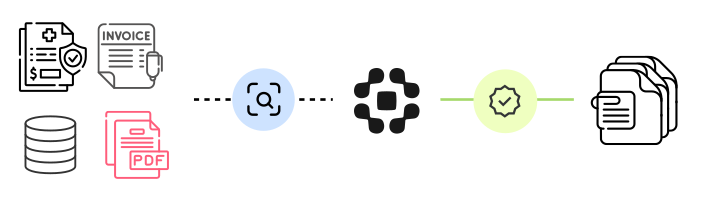
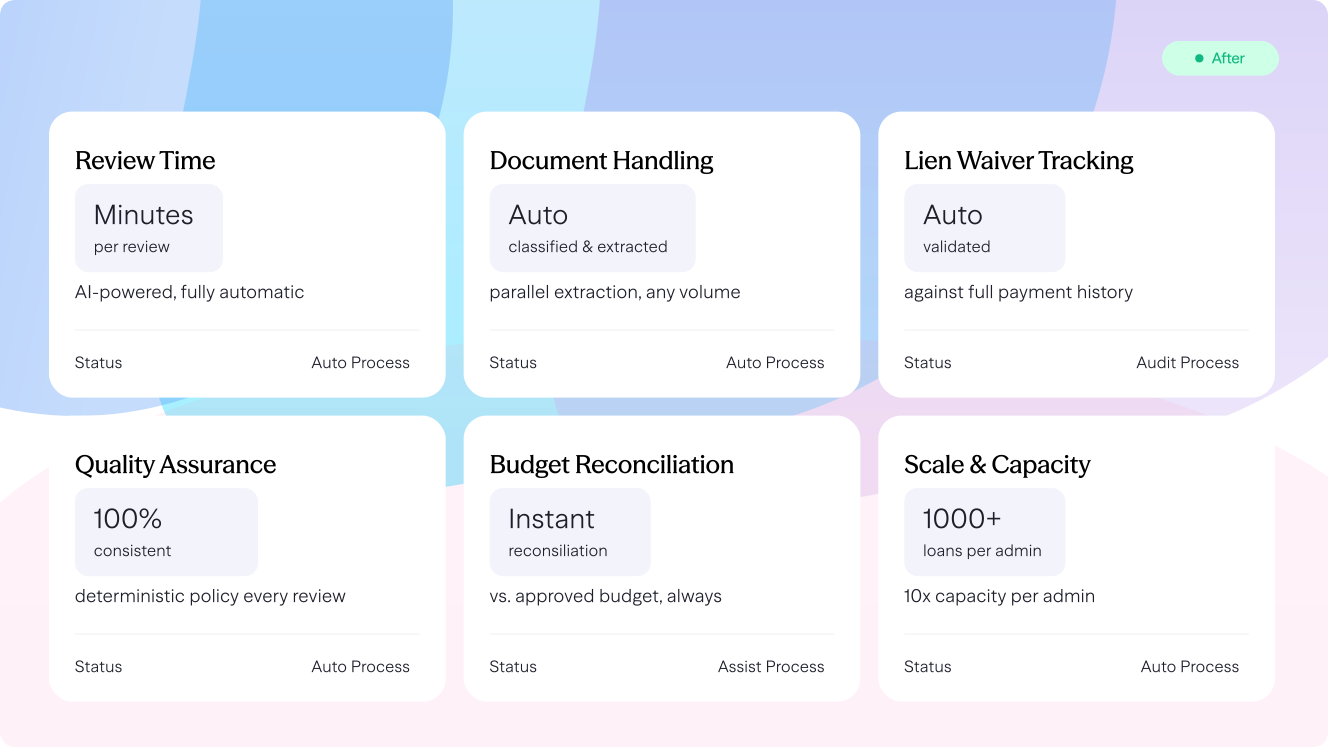
On MightyBot, agents classify every document in the claim, extract the facts a determination needs, and keep a pointer to the page each fact came from. Coverage rules, exclusions, limits and the carrier's handling guidelines are written as plain-English policies and compiled into checks that run the same way on every claim.
Each rule comes back as met, unmet or missing evidence, with the clause and the document behind it. Clean claims can be prepared for payment; anything unmet, unusual or high value routes to an adjuster or examiner with the evaluation assembled. Missing documentation becomes a specific request naming the item and the reason it is needed.
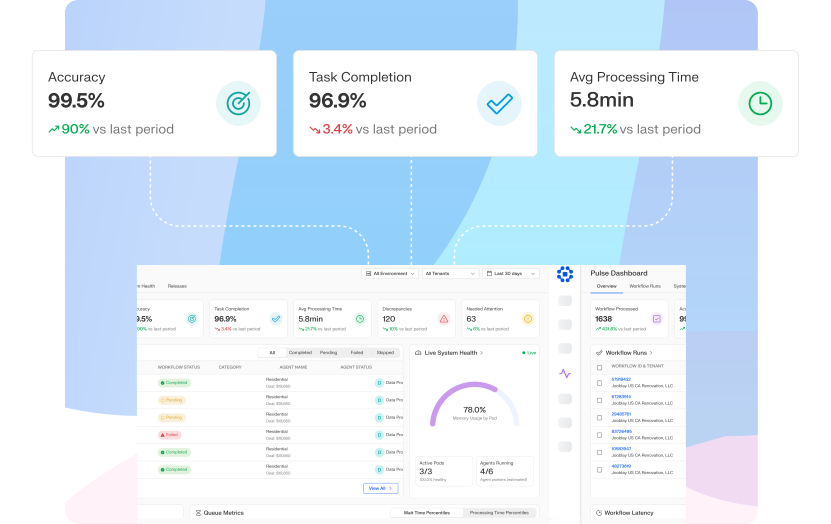
The record keeps the policy version, the inputs, the reviewer and the timestamps for each claim, and exports for appeals, reinsurers and market conduct examinations. The same pipeline runs medical necessity review, where the same rules about who decides a denial apply.
What do claims regulations require on timing, reasons and records?
Timeframes are set by state rule. California's regulations require a first-party claim decision "in no event more than forty (40) calendar days" after proof of claim, and acknowledgement "in no event more than fifteen (15) calendar days" after notice. When a claim is denied, the insurer "shall do so in writing and shall provide to the claimant a statement listing all bases for such rejection or denial and the factual and legal bases for each reason given." New York adds that "The insurer must also explain its specific reasons for disclaiming coverage."
The NAIC's Unfair Claims Settlement Practices Act lists among unfair practices "Failing in the case of claims denials or offers of compromise settlement to promptly provide a reasonable and accurate explanation of the basis for such actions." California requires claim data kept "for the current year and the four preceding years." Market conduct examiners check that "Claim files are adequately documented."
On automation itself, the NAIC's December 2023 model bulletin on AI says an insurer's AI governance program should cover "claim administration and payment, and fraud detection," with documented compliance. A system that records which rule fired, on which evidence, with which human sign-off is what that documentation looks like in practice.