An AI agent is software that can pursue a goal across multiple steps by using context, tools, memory, and feedback. A real agent can understand the job, gather context, call tools, preserve state, handle uncertainty, escalate to humans, and produce evidence of what it did. A chatbot talks. A workflow bot follows a fixed script. An AI agent can act within a controlled operating model.
Short answer: AI agent capabilities
The core AI agent capabilities are goal orientation, curated context access, tool use, state or memory, policy boundaries, uncertainty handling, observability, human handoff, and continuous improvement. An AI agent differs from a chatbot because it can use tools, preserve workflow state, and complete controlled multi-step work instead of only responding in conversation.
What Makes An AI Agent?
An AI agent is a system that uses an AI model to plan or execute work, connects to tools and data, maintains context or state, and takes actions toward a goal. The strongest production agents are not the most autonomous. They are the agents with the clearest boundaries, controls, evals, and evidence trails.
Agent categories and boundaries
| Type | What It Does | Why It Is Not Always An Agent |
|---|---|---|
| Chatbot | Responds to messages | May not use tools, preserve state, or execute workflows |
| Copilot | Assists a human in a task | Human still drives each step |
| RPA bot | Follows deterministic UI or API steps | Often lacks reasoning, context, or adaptive behavior |
| Workflow automation | Moves work through predefined branches | May not interpret documents, policies, or exceptions |
| AI agent | Uses context, tools, and state to complete a goal | Needs governance because it can act |
The Nine Capabilities That Matter
1. Goal Orientation
An agent needs a goal, not just a prompt. “Summarize this document” is a task. “Review this draw package against lender policy and produce a funding recommendation” is a goal. The goal defines what success means, what inputs matter, which tools can be used, and when the agent should stop.
Clear goals also prevent agent sprawl. Without a defined job, teams build impressive demos that cannot be measured. With a defined goal, teams can measure accuracy, cycle time, review rate, and ROI.
2. Context Access
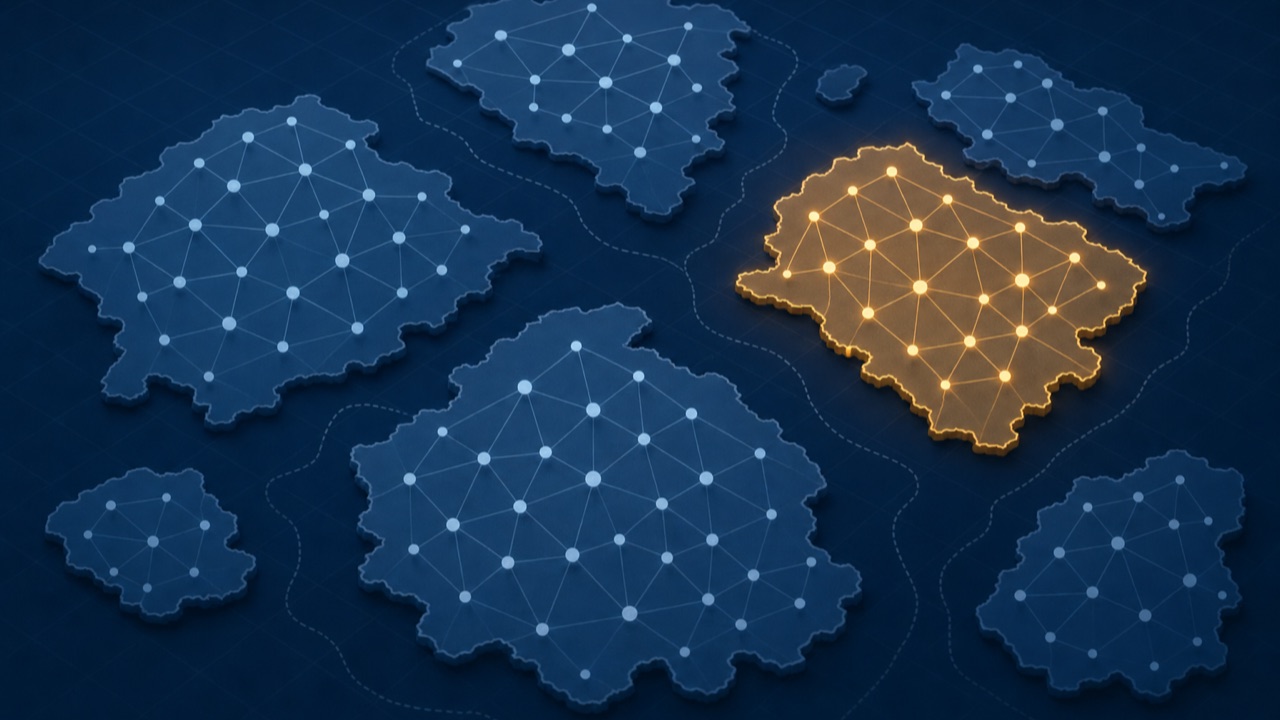
Agents need the right context at the right moment: source documents, system records, user intent, prior actions, policies, permissions, and exceptions. Context is not just a larger prompt window. Anthropic’s context engineering guidance frames context as a finite resource that must be curated and managed.
In production, this means the agent should retrieve only the evidence it needs, preserve structured state outside the prompt, and avoid dumping every document into one long context window.
3. Tool Use
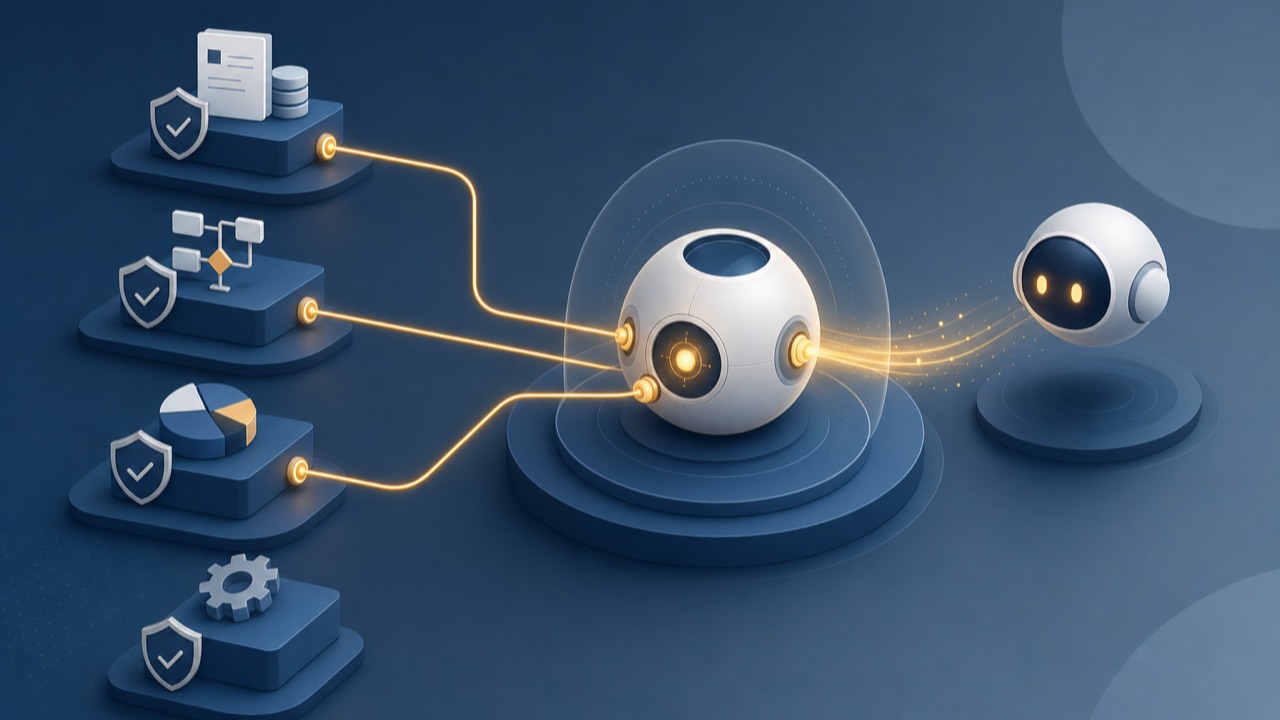
Agents become useful when they can do things: search files, query databases, read documents, run calculations, update records, create tickets, call APIs, or send results into another system.
OpenAI’s agent platform and Agents SDK updates show where the market is going: agents are expected to work with tools, controlled workspaces, tracing, state, and sandboxed execution. Tool use is the difference between an assistant that suggests work and an agent that performs work.
4. State And Memory
A production agent must remember what has happened in the workflow. Which documents were processed? Which policy version was applied? Which fields were missing? Which human reviewer approved the exception?
This does not mean agents need unlimited memory. It means they need structured state: checkpoints, decisions, source references, and review history. State keeps long-running workflows coherent and makes recovery possible when a run fails.
5. Policy And Boundaries
Autonomy without boundaries is risk. A real enterprise agent needs rules about what it can do, what it cannot do, when it must ask for review, and which evidence is required.
For regulated workflows, this is the core of the architecture. A lending agent, claims agent, or compliance agent must apply business policy, not simply reason from a prompt. That is why a policy engine is a distinct part of the platform: policies govern the execution path, human review, and audit trail.
6. Uncertainty Handling
Good agents do not guess. They know when evidence is missing, confidence is low, tools fail, or policies conflict. Then they escalate, ask for clarification, or produce an “insufficient evidence” finding.
This is one of the biggest differences between demo agents and production agents. In a demo, the agent is rewarded for giving a polished answer. In production, the agent is rewarded for being right, traceable, and appropriately cautious.
7. Observability And Evals
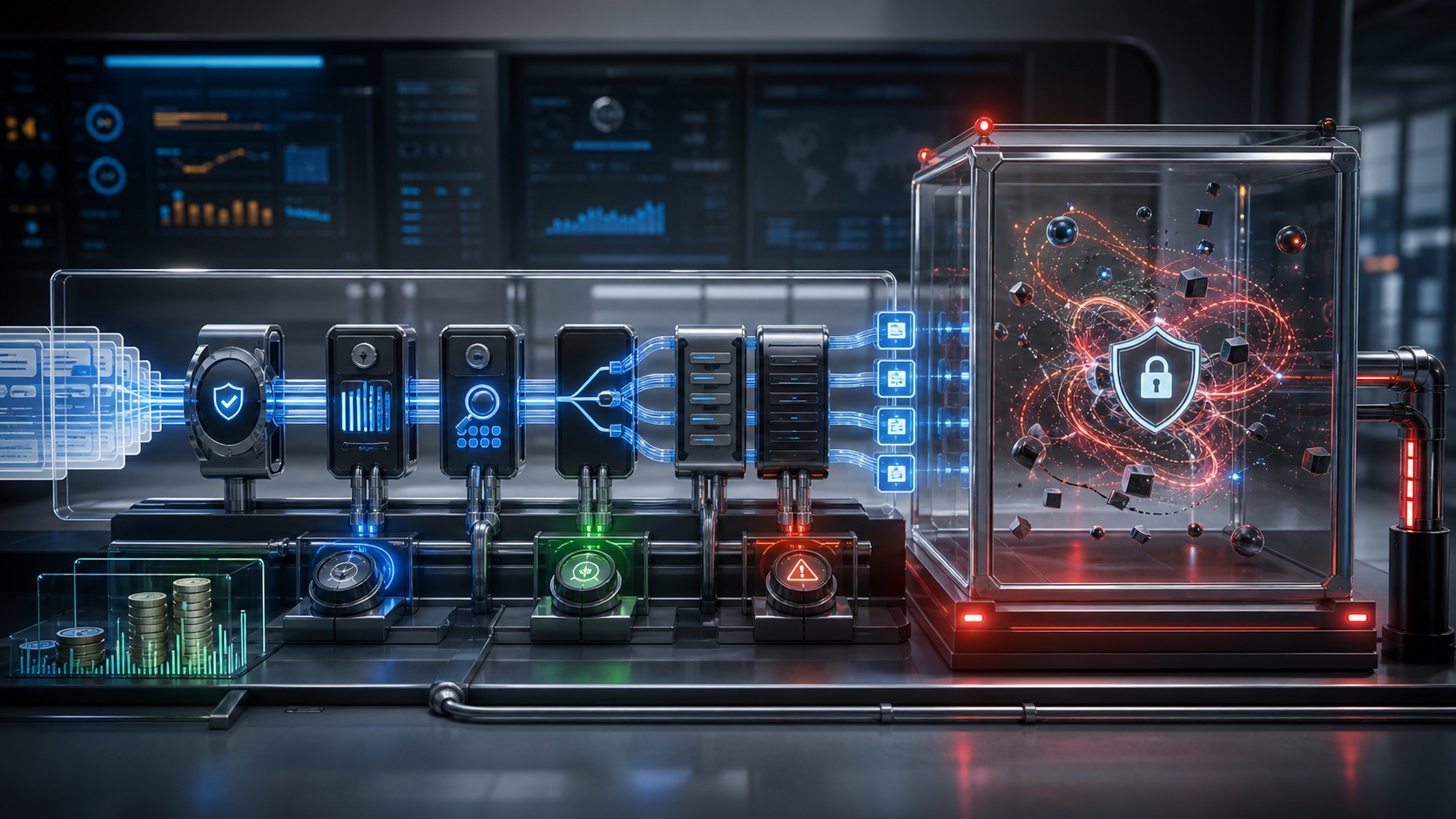
An agent’s behavior must be inspectable. Teams need to know which context was loaded, which tools were called, what outputs were produced, where the agent failed, how humans corrected it, and whether a model or policy change caused regressions.
The more autonomous the agent, the more observability matters. McKinsey’s 2026 AI trust research reports that security and risk concerns are the top barrier to scaling agentic AI, with inaccuracy and cybersecurity remaining the most frequently cited AI risks. Agents need measurement systems, not just launch plans.
8. Human Oversight
Human oversight is not a sign the agent failed. It is how agents become trustworthy.
The best production deployments use progressive autonomy:
- Audit mode: the agent does the work and humans review every output.
- Assist mode: routine work proceeds, exceptions route to humans.
- Automate mode: the agent handles qualified work end to end with monitoring and rollback.
This lets teams increase autonomy based on evidence rather than optimism.
9. Auditability
If an agent affects a customer, transaction, claim, loan, payment, or compliance finding, it needs an audit trail. The record should show source evidence, tool calls, policy versions, timestamps, confidence, and human review.
This is where many “agents” are still just assistants. They can generate useful output, but they cannot prove why the output is correct. Production agents need proof.
A Better Definition For 2026
The 2024 definition of an AI agent often focused on autonomy: can the system act on its own? The 2026 definition needs to be more operational:
An AI agent is a governed system that uses AI to execute a goal across multiple steps by combining context, tools, state, policies, and feedback.
That definition avoids two traps.
First, it does not over-credit simple chatbots. A chatbot may be useful, but if it cannot take action or preserve state, it is not much of an agent.
Second, it does not worship autonomy for its own sake. In regulated industries, the best agent is not the most independent. It is the one that completes the highest-value work with the right controls.
What To Ask Before Buying An AI Agent
Use these questions to separate real agents from agent-washed software:
- What goal does the agent own?
- What tools can it use?
- What context does it load, and when?
- How does it preserve workflow state?
- What policies constrain its actions?
- What happens when evidence is missing?
- Can humans review, correct, and override?
- What evals catch regressions?
- What audit trail proves the result?
- What does it cost at production volume?
If a vendor cannot answer these concretely, you may be looking at a useful assistant, but not a production agent.
Related Reading
- AI Agents Market Map 2026
- Why Context Is Critical to AI Agent Success
- Policy-Driven Agents vs. ReAct Agents
- What Are AI Agent Audit Trails?